

THE GLOBAL WATER CRISIS: Why Cleanliness Matters

Our communities, our economy, and our health all depend on clean water. To have healthy populations downstream, we need clean water upstream. Streams are essential to the wellbeing of rivers, lakes, bays, and coastal waterways where they originate.

By capturing floodwaters, replenishing groundwater supplies, filtration contaminants, and providing habitat for fish and wildlife, streams and wetlands serve communities in a variety of ways. Being able to prevent exposure to a variety of diseases requires access to clean water and sanitary facilities. Millions of people perish each year from diseases brought on by poor water quality, sanitation, and hygiene. Diarrhea, rather than pneumonia, is the leading cause of death among children under the age of five. Given how essential water is to life, it should be a legal requirement for governments to take steps inside their own borders to guarantee that all of their residents have access to clean water.
WHY IS IT IMPORATANT?
Water cleanliness is essential to our environment and our health. Without clean water, our planet would be an unhealthy place to live. Clean water helps maintain the health of our ecosystems, provides safe drinking water, and allows for the safe and efficient disposal of waste.
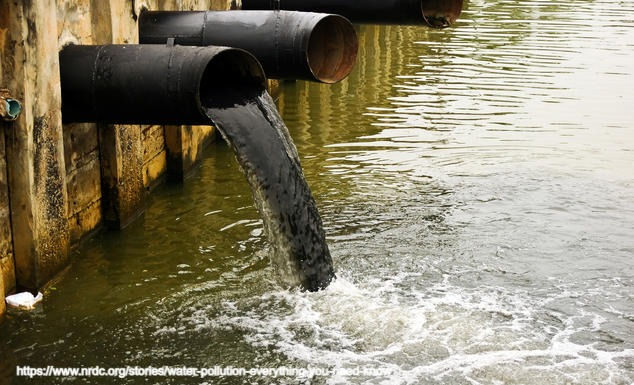
Clean water helps to maintain the health of our ecosystems. Healthy ecosystems are essential for the sustainability of our planet. Clean water serves as a habitat for many aquatic species, which in turn helps to keep the food chain intact. Without a healthy aquatic ecosystem, the food chain would be disrupted, leading to the decline of many species.
Clean water also provides safe drinking water. Access to clean water is essential to our health and well-being. Contaminated water can lead to a host of illnesses, including diarrhea, dysentery, and other water-borne diseases. By ensuring that our water is free from pollutants, we are protecting ourselves from serious health issues.
Finally, clean water allows for the safe and efficient disposal of waste. Without clean water, waste would accumulate in our waterways, leading to dangerous levels of pollution. This pollution can be toxic and can harm aquatic life, as well as the health of those who come into contact with it.

PHILIPPINE CLEAN WATER ACT OF 2004
This Act establishes standards and rules for water quality and offers provisions for the reduction and control of pollution from land-based sources. The Act will be used to control water quality in all bodies of water, including fresh, brackish, and marine waters.
The State shall have as its policy the prevention, control, and mitigation of pollution of the nation's water resources; the promotion of environmental strategies for the protection of water resources; the formulation of a national program for the management of water quality; the promotion of industrial and commercial processes and products that are energy and environ mentally friendly; etc.
The Act, among other things, shall establish: a national program on sewerage and septic management; domestic sewage collection, treatment, and disposal; the designation of water quality management areas by the Department in collaboration with the National Water Resources Board; the designation of water bodies where specific pollutants from either natural or man-made sources have already exceeded water quality guidelines as non-attainment areas for the exceeded pollutants. (Source:https://faolex.fao.org/docs/pdf/phi70789.pdf)


Comments